Taking Climate Action as One World. ARE YOU IN?
Over 4,000 credentialed delegates (SF on the Bay honored to be one) descended upon San Francisco Sept. 12-14 for the Global Climate Action Summit to renew and expand upon their commitment to the historic Paris Climate Change Agreement and celebrate their own city, county, company, citizens and country’s extraordinary achievements. The approach to the solution is as one world, taking commitment to the next level – everyone doing what they can within their means to hail the decarbonization of the world.
Sights are on zero emissions by 2050. No more deforestation. No more fossil fuel emissions. Clean energy a must. Strategic control of manufacturing, the use of plastic and food-waste. Integration of technology, AI and innovation to contribute to emissions control and propel us forward. And most of all, commitment to action.
A Few Highlights
On the city level
- As cities are getting more congested, how can we have healthier streets as we increase density? Three cities pledged to have zero emissions by 2030. Three mayors committed to have all electric buses by 2025. Mayor Giuseppe Sala, Mayor of Milan, Italy, exclaimed, “The bus is not a sexy transport vehicle, but if you add FREE WIFI, it becomes sexy.” Transportation’s future is zero carbon with the substitution of electric and hydrogen vehicles and the use of shared bikes.
- Mayor Hanna Gronkiewicz-Waltz, Warsaw, Poland’s Mayor, is taking 6,000 parking lot spaces out of downtown and making room for housing/new development. She currently has 500 km for cycling with 400 shared city bikes and is adding 600 km more for bicycles.
- According to London Breed, Mayor of San Francisco, there are now more recyclables than trash going to the landfill. SF is trying to educate and reduce organic waste to zero in their landfills, which reduces the methane produced, reducing CO2 emissions. Mayor Gronkiewicz-Waltz was impressed by SF’s labeling on the garbage container and is taking it home with her to Warsaw. Instead of waste or garbage, it says ‘Landfill.’ Top of mind.
- Mayor Mukta Tilak, from Pune, 2nd largest city in the state of Maharashtra, India, after Mumbai with about 3.5 million people, says her city produces 2,000 tons of waste per day, They started segregation of waste and they are now at 60% households participation. They instituted a door-to-door program where 3,000 women, who need jobs, deliver bins to homes and collect them.
On the state level
- Governor Jay Inslee of Washington State explained how CO2 goes into the water and creates acidic conditions. Oyster beds and other seafood are dying. WA is investing $1 million into resources for the shellfish and crabbing industries. They are also farming kelp. On the global level he stresses growing clean energy jobs across the planet.
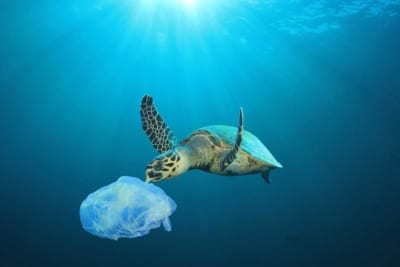
- Hawaii’s Nainoa Thompson, President, Polynesian Voyaging Society, flew 4.5 hours to get to the summit, and said, “We are here to honor, thank and celebrate the vital work of this summit. Because we depend on it.” Meanwhile, Lehua Kamalu, Captain of the Polynesian Voyaging Society, spent 23 days navigating the Pacific Ocean on a traditional voyaging canoe with her crew of 12 trainees through The Great Pacific Garbage Patch (now more than 600,000 miles of plastic, twice the size of TX), through winds and storms to the shores of Half Moon Bay. A journey of almost 2,900 miles.
Lehua explained sailing in the ‘old way’ following the stars, memorizing where you came from. Her main focus was to make sure the canoe is healthy from beginning to end and that her crew thrived amidst the 500 decisions they had to make. Lehua explained, “Through this practice, we connect with the ocean – connect with the food that feeds us and the wind that propels us.”
- One way to look at it is that the ocean connects all things – lan
 d to water to sky to people.
On the country level
- Indonesia, three times the size of the continental US, is highly threatened by the changing ecosystem in their waters. They depend on fishing for their food, livelihood and work. In some parts of the world over-fishing has wrecked the ecosystem as well as the carbon emissions that end up in our waters.
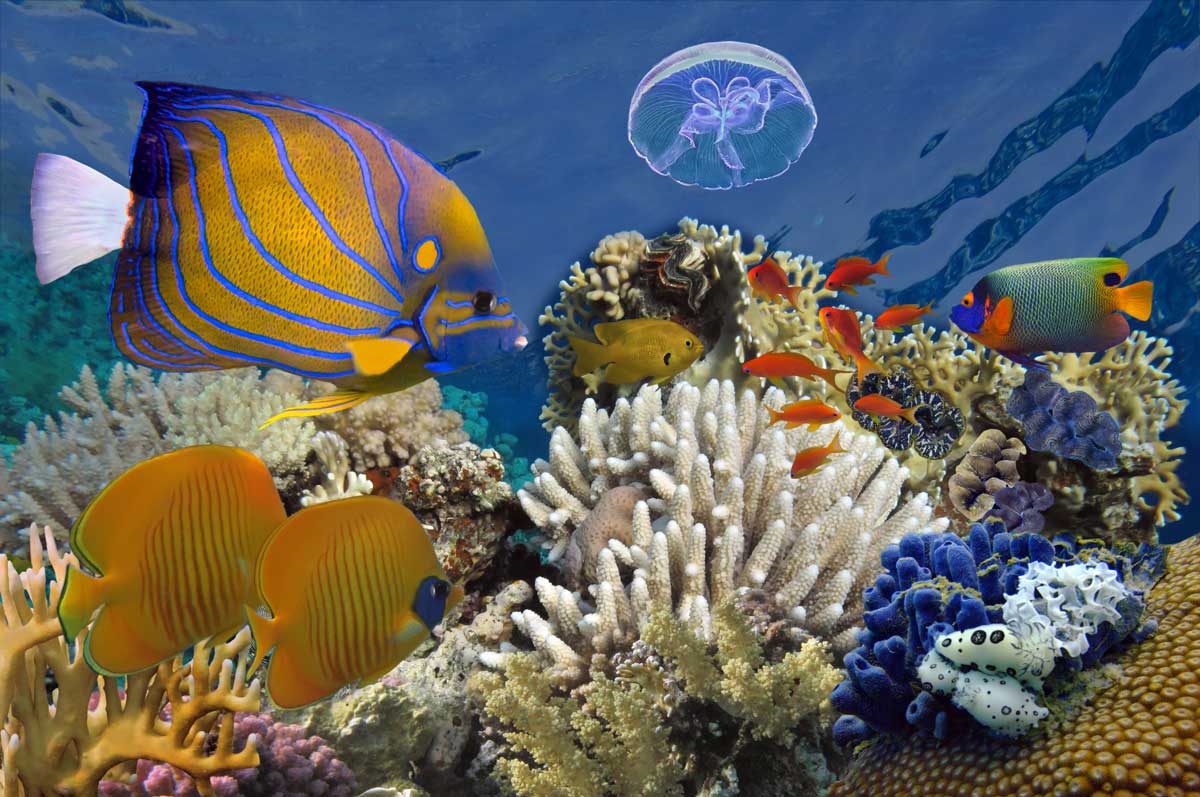
- Prime Minister Frank Bainimarama, Republic of Fiji, first to ratify the Paris Agreement, challenged the cities that globally touch the ocean to take action. They must take action. “The Ocean is everything.” Their coral reefs are dying creating great sadness.
- Africa, one of the developing countries at the summit, has their own Climate Change issues. “Africa has so many droughts, floods and severe storms, the reality of Climate Change is stark,” according to Ambassador Macharia Kamau, Minister for Principal Secretary to the Ministry of Foreign Affairs, Kenya. They are trying to create response systems to CC, one of which is the mangroves. His biggest fear is that as Africa industrializes, they will be forced to use old dirty technology in manufacturing. “When poor countries rise, this is what happens.”
- The Arctic. Sheila Watt-Cloutier, Activist, Former Chair of the Inuit Circumpolar Council, who grew up the first ten years of her life travelling by dog sled, said the world knows more about the arctic wildlife than about their people. “We are very connected to land, water, ice through hunting. We love our land – it feeds us culturally and spiritually. The ice is a huge part of our identity, our life.” They face the issue of safety and security when the ice starts to go, as it is. They fear losing tradition too as the ice teaches them patience, courage, persistence and to have wisdom and sound judgment. “We have much to offer the world about sustainability.” And told us to remember, “What happens in the Arctic doesn’t stay in the Arctic.”
- All agreed that sharing knowledge with each other was very important – how to do things and how to finance them. One world.
THE OCEAN – Take a look. A NDRC video narrated by Signoyey Weaver
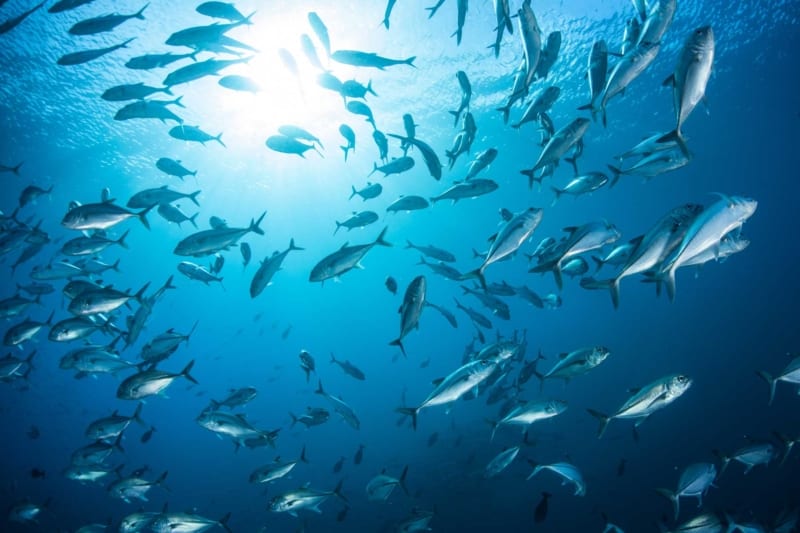
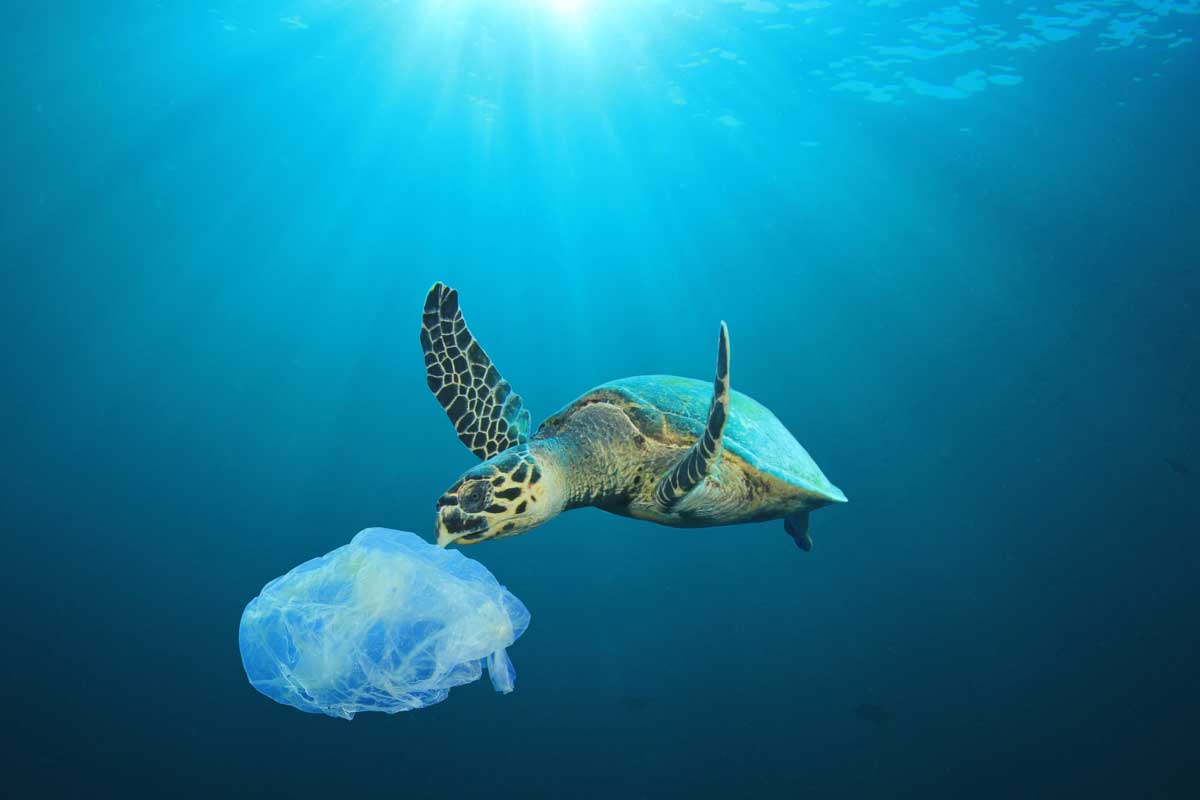
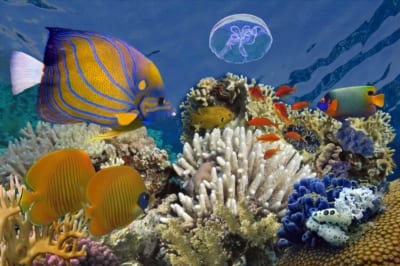 The global ocean is our biggest ecosystem, according to Julie Packard, executive director of Monterey Aquarium. “Ocean issues are central to the Climate conversations.” Globally we are dependent upon oceans for food, transportation, recreation, work, and livelihood. 50% of our oxygen is produced by the ocean and 25% of carbon dioxide is absorbed by it. Sea levels are rising. Water temperatures are rising, acidity increasing. If we continue to not address Climate Change effect on our waters, and continue to pollute with plastic, there will be more plastic than fish in our oceans by 2050.
According to the Blue Carbon Initiative, a global program working to mitigate climate change through restoration and sustainable use of coastal and marine ecosystems, 83% of the carbons worldwide are circulated through our oceans. Coastal areas comprise less than 2% of the ocean area; yet absorb 50% of the carbon. Blue Carbon is the carbon stored in our coastal and marine ecosystems –mangroves, salt marshes and sea grass – plants and sediment.
Dr. Jane Lubchenco, Dept. of Integrative Biology, Oregon State University, said that we currently protect 4% of the oceans and only highly protect 2%. She stressed the need to commit to highly protecting 30% of our oceans by 2030. How? By reforming the fisheries, which provide livelihood to 10% of the world. She calls for improving fishery management and reserving more marine areas.
We need bold leadership and purposeful action. The ocean is fixable. A few implementable actions:
- Monitoring deforestation – forests store carbon emissions
- Planting mangroves – our ocean and coasts provide a natural way of reducing greenhouse gases by absorbing and storing carbon with mangroves, salt marshes and sea grasses
- Growing kelp – kelp draw in so much carbon dioxide that they help de-acidify the water
- Tracking fisheries
- Putting marine protection reserves (non-fishable areas) in place
Get on board. Get inspired. Look at all the news announcements coming out of the summit – over 500 commitments. For example, Apple partnered with Blue Carbon Initiative to plant 30,000 mangroves along the coast of Columbia.
Summing up the summit Governor Jerry Brown announced a partnership with Planet Labs Inc. to track and counter the pollution caused by Climate Change – from a satellite. “With science still under attack and the climate threat growing, we’re launching our own damn satellite,” said Governor Brown. “This groundbreaking initiative will help governments, businesses and landowners pinpoint – and stop – destructive emissions with unprecedented precision, on a scale that’s never been done before.” (excerpt GCAS news). Technology will continue to play a large part in getting ahead of the effects of climate change.
Over and over again we heard how though the US administration has backed out of the Paris Agreement, the American people, their cities, counties, states and companies have not. Are you in? What can you commit to today and every day to change your sustainable practices?
Read about the summit.